Our Priorities
We conducted consultations across our 10 member communities which identified 5 priority areas:
1. Strong communities
2. Getting around
3. Energy efficiency
4. Restoring nature
5. New skills & jobs
1. Strong Communities
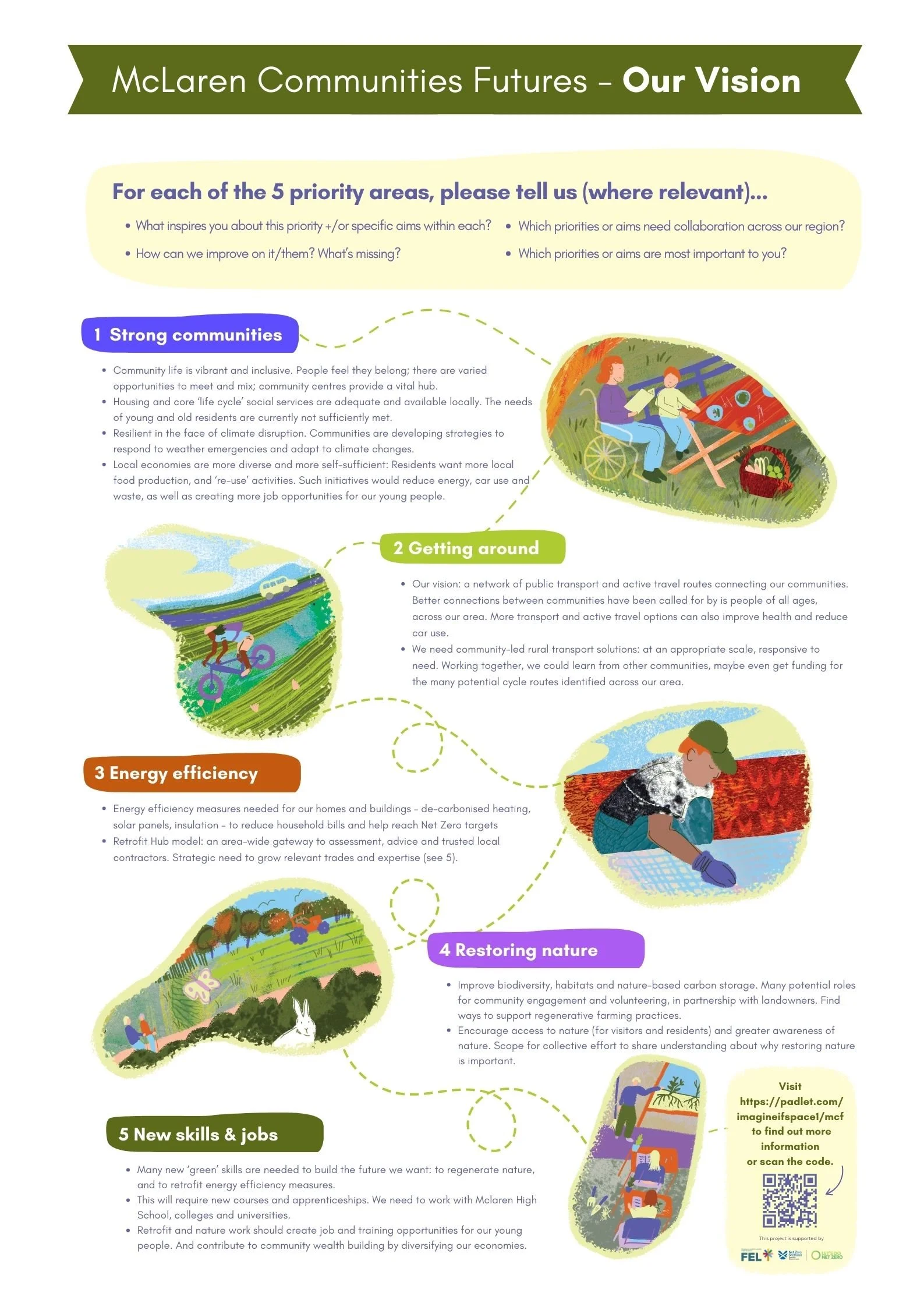
Community life is vibrant and inclusive. People feel they belong; there are varied opportunities to meet and mix; community centres provide a vital hub.
Housing and core ‘life cycle’ social services are adequate and available locally. The needs of young and old residents are currently not sufficiently met.
Resilient in the face of climate disruption. Communities are developing strategies to respond to weather emergencies and adapt to climate changes.
Local economies are more diverse and more self-sufficient: Residents want more local food production, and ‘re-use’ activities. Such initiatives would reduce energy, car use and waste, as well as creating more job opportunities for our young people.
2. Getting around
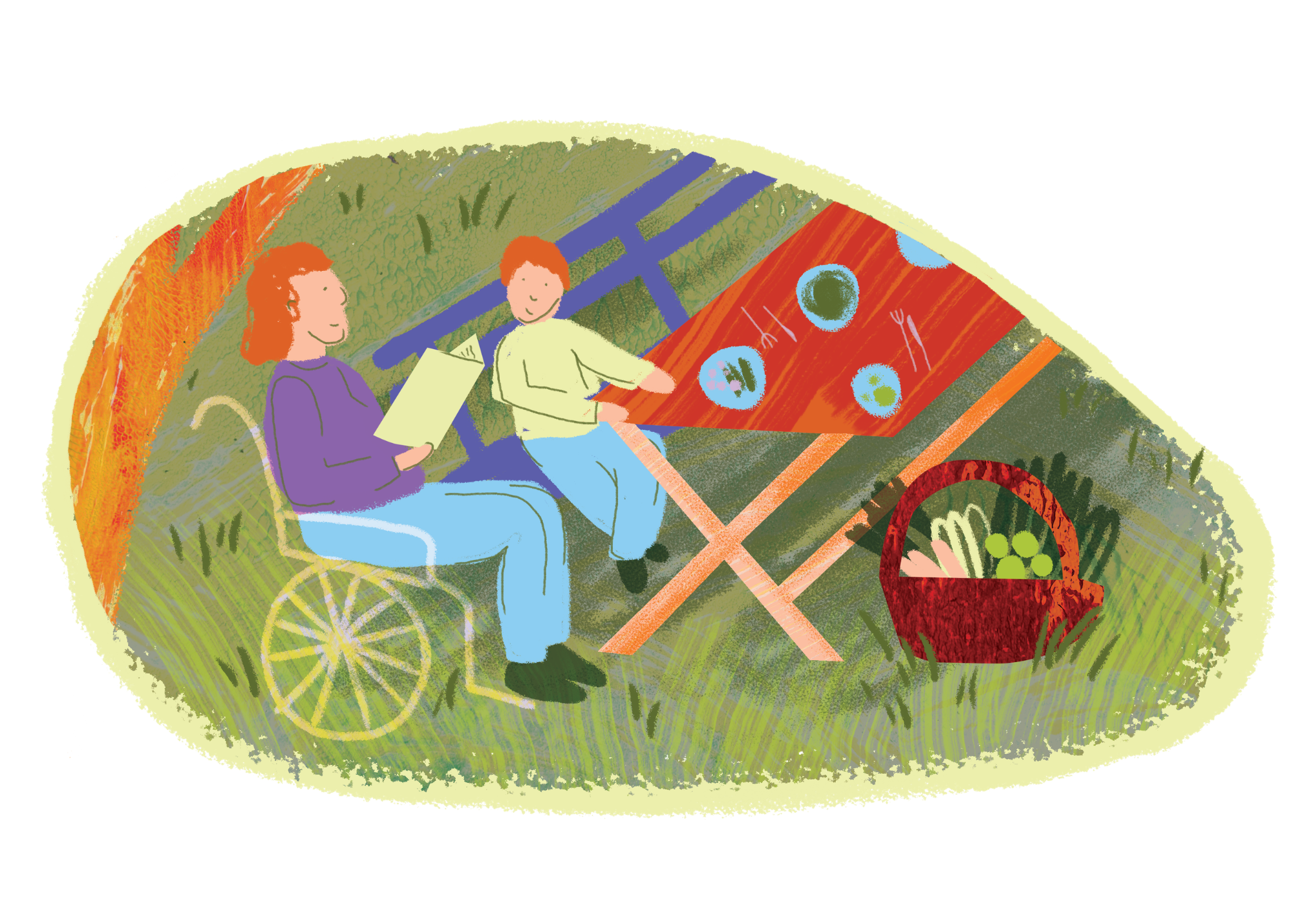
Our vision: a network of public transport and active travel routes connecting our communities. Better connections between communities have been called for by people of all ages across our area. More transport and active travel options can also improve health and reduce car use.
We need community-led rural transport solutions: at an appropriate scale, responsive to need. Working together, we could learn from other communities, maybe even get funding for the many potential cycle routes identified across our area.
3. Energy efficiency
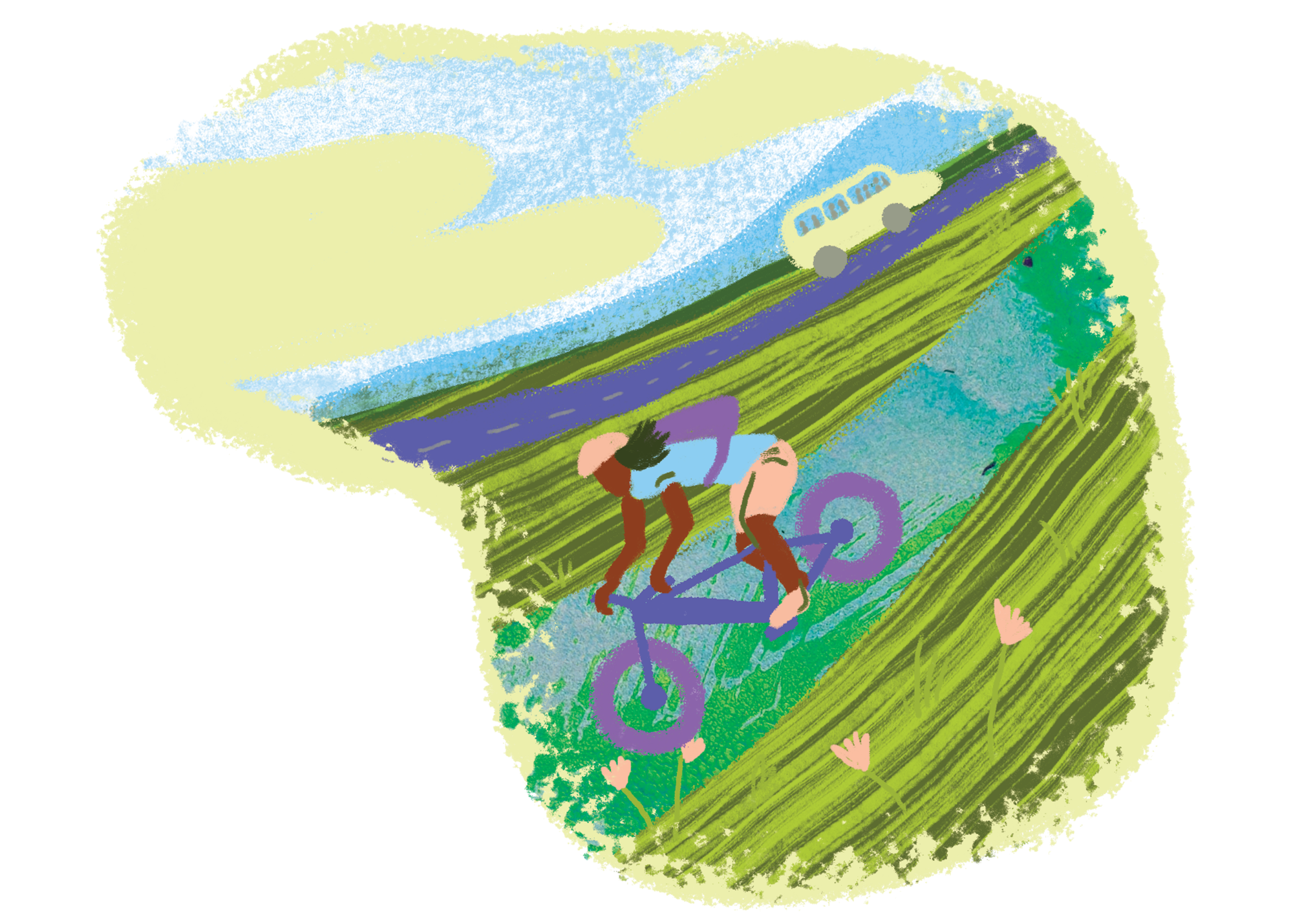
Energy efficiency measures needed for our homes and buildings –
de-carbonised heating, solar panels, insulation – to reduce household bills and help reach Net Zero targets.Retrofit Hub model: an area-wide gateway to assessment, advice and trusted local contractors. Strategic need to grow relevant trades and expertise (see 5).
4. Restoring nature
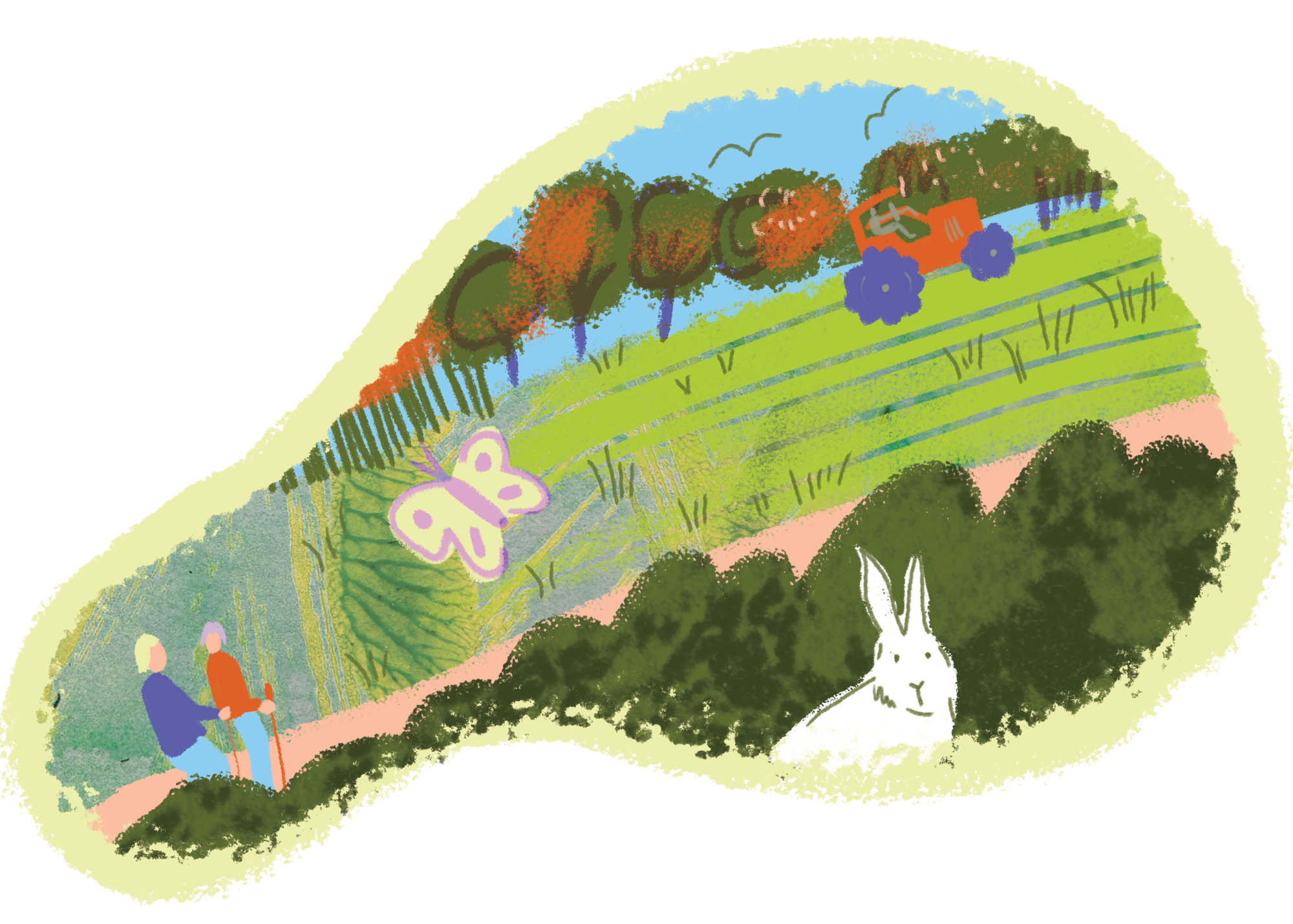
Improve biodiversity, habitats and nature-based carbon storage. Many potential roles for community engagement and volunteering, in partnership with landowners. Find ways to support regenerative farming practices.
Encourage access to nature (for visitors and residents) and greater awareness of nature. Scope for collective effort to share understanding about why restoring nature is important.
5. New skills & jobs
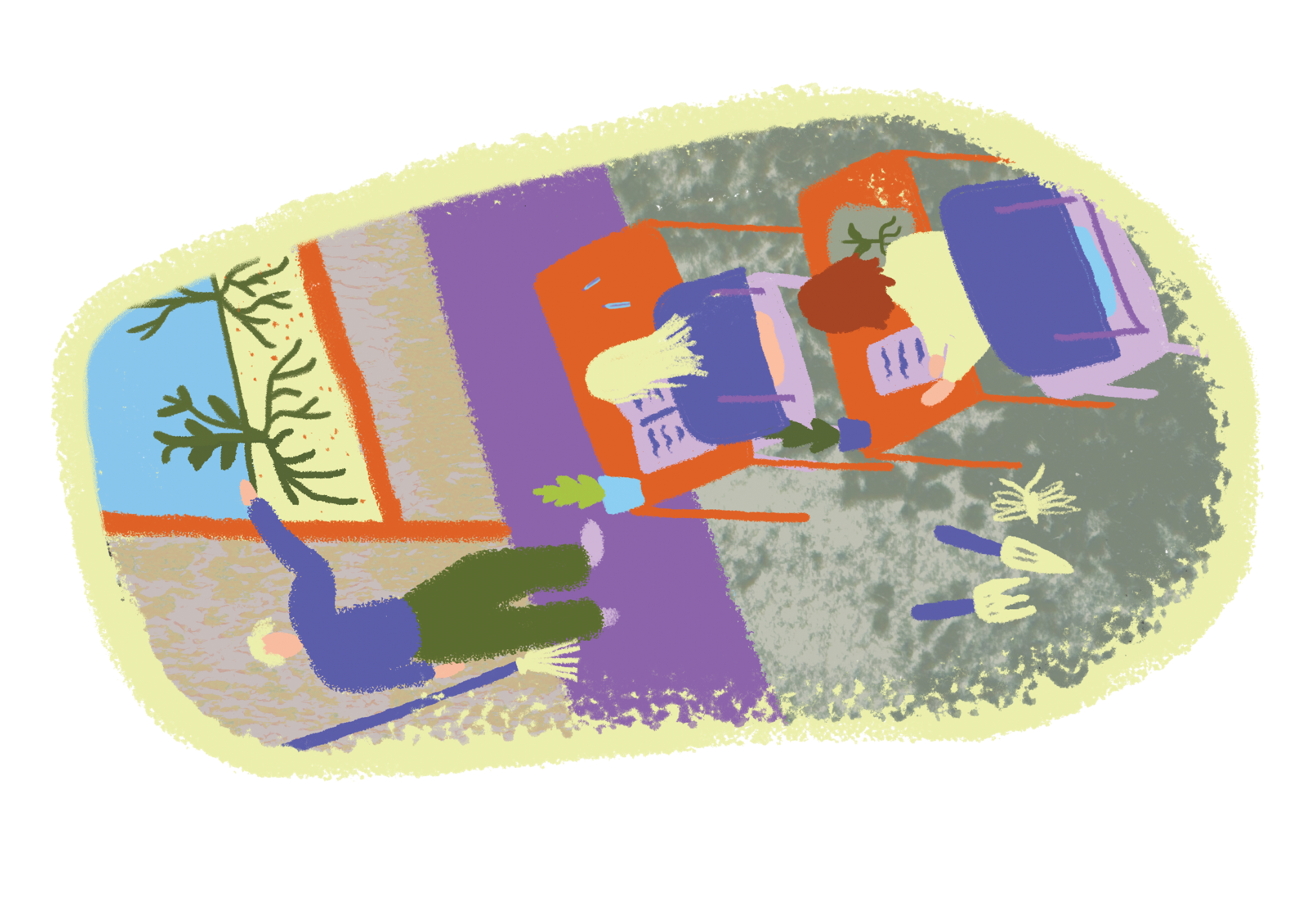
Many new ‘green’ skills are needed to build the future we want: to regenerate nature, and to retrofit energy efficiency measures.
This will require new courses and apprenticeships. We need to work with McLaren High School, colleges and universities.
Retrofit and nature work should create job and training opportunities for our young people; and contribute to community wealth building by diversifying our economies.